New Brakes Squeaking? What You Should Know
New brake pads squealing? Find out what causes this sound, when it's normal, when it's not, and when you should have a professional technician take a look.
Read More
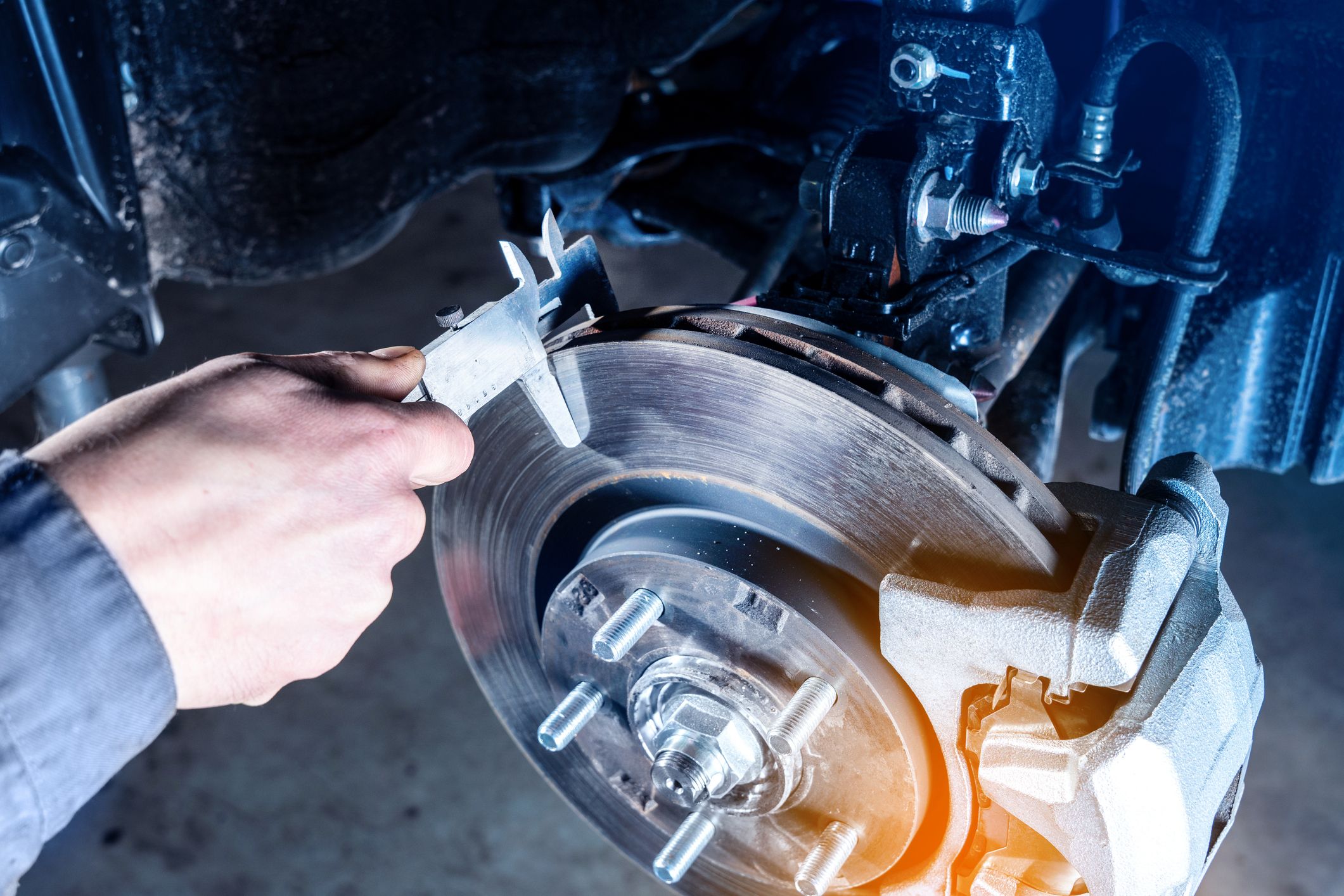
Our free brake inspection, which is available with an eligible coupon, includes a test drive, brake fluid check, and a visual inspection around the engine, undercarriage, and wheels. Our expert technicians will also review braking components and compare to manufacturer specifications.
Firestone Complete Auto Care offers auto brake repair services to help your vehicle stop smoothly. Whether it’s worn brake pads or a fluid exchange, our technicians provide expert care for your braking system.
With this service, you get:
* Talk to a Firestone Complete Auto Care advisor for complete terms and conditions of warranties.
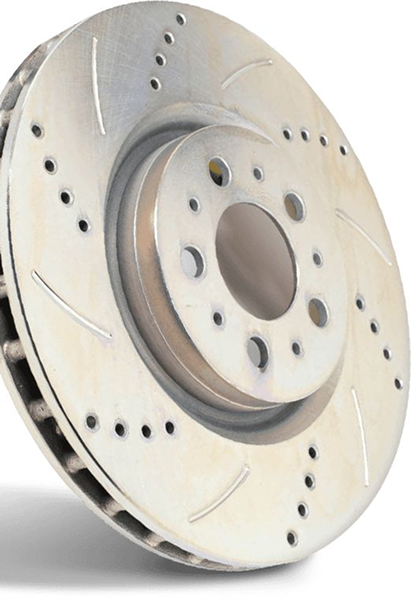
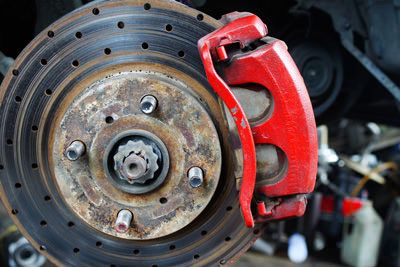
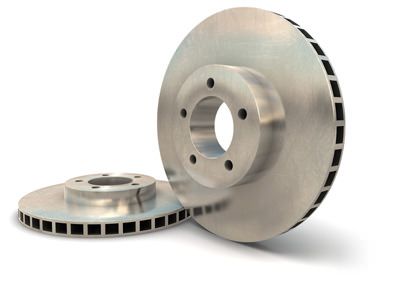
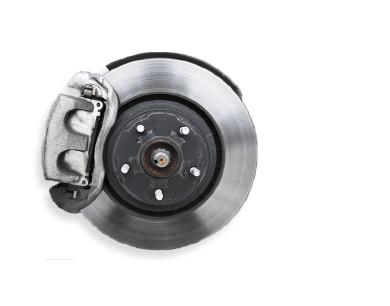
Your vehicle's braking system is essential for safety, allowing you to slow down and stop with control. Regular brake repair helps maintain key components like brake pads, rotors, and calipers for optimal braking performance. Staying on top of your auto brake repair can reduce wear, improve response time, and support smooth vehicle operation.
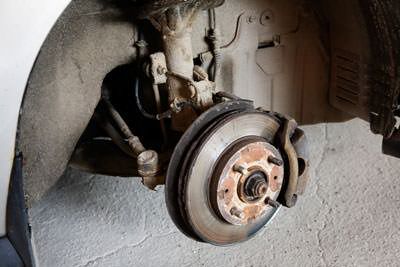
Common signs of worn brakes include squeaking or squealing, which often indicate thin brake pads. Additionally, grinding sounds can indicate worn pads and that metal-on-metal contact is damaging the rotors. You may also notice longer stopping distances, a delayed or dragging brake response, or vibrations in the steering wheel during braking, all of which indicate compromised braking performance. Uneven tire wear can also develop when worn brakes force you to brake harder or more frequently. Any of these symptoms means it’s time for a brake inspection to prevent further damage and maintain safe stopping power.
Brake pads typically wear faster than rotors and should be replaced as soon as they become thin or show signs of reduced braking performance. It’s generally recommended to replace all brake pads at the same time to ensure balanced braking. If your vehicle begins to squeal, takes longer to stop, or shows other signs of pad wear, it’s time for new pads.
Replacement time for rotors varies by vehicle and should only be replaced if they are worn, warped, or damaged. Symptoms such as vibration, shaking, or pulling to one side during braking can indicate rotor issues. Whenever rotors are replaced, new brake pads should be installed to prevent uneven wear on the new rotor surface. To ensure your rotors stay intact longer, maintain your brake pads to prevent further deterioration or costly rotor repairs.
Brake pads typically last between 25,000 and 65,000 miles, but their actual lifespan varies widely based on driving habits, vehicle load, and driving conditions. Frequent hard braking, city driving, and carrying extra weight can wear pads out faster, while smoother driving and techniques like engine braking can help them last longer. Because wear rates vary widely from driver to driver, the best approach is to monitor for warning signs and have your brakes inspected regularly.
Different brake noises can signal different issues. Not all noises indicate worn pads, since moisture, surface rust, dust, or debris can cause temporary squeaks that usually disappear with everyday driving. However, persistent squealing, a warning light, or any grinding sound indicates it is time for a professional brake inspection. Drivers should also be aware that a sharp, consistent squeal is often the sound of built-in wear indicators alerting that brake pads have thinned to a minimum safe level.
Costs for brake repair vary by vehicle type and other services required. Firestone Complete Auto Care offers several options, including a free brake inspection with eligible coupons. Service time also varies by vehicle and service level. A standard brake service often involves installing new brake pads or shoes, inspecting brake components, and resurfacing or replacing rotors or drums if needed. The enhanced service includes all standard elements plus a brake fluid exchange. Your technician can provide estimated timing once your vehicle and required services are reviewed.
New brake pads squealing? Find out what causes this sound, when it's normal, when it's not, and when you should have a professional technician take a look.
Squealing brakes? It might be time to change brake pads. Here’s everything you need to know about brake wear indicators—from what they are to what they mean.
Glazed brakes can reduce stopping power and risk your safety. Learn the causes, symptoms, and prevention tips – plus how Firestone Complete Auto Care can help.